The Produce Problem Reshaping What Diners Paid In 2025
- New data from MarginEdge shows that produce costs, not protein prices, drove the most significant restaurant cost swings in 2025, with items like cauliflower and lettuce experiencing extreme volatility.
- Weather disruptions, concentrated growing regions, and import dependence created major supply constraints for vegetables and fruits, pushing prices up for months at a time.
- While eggs spiked due to avian flu rather than climate issues, restaurants overall faced unpredictable, fast-moving cost changes that forced constant menu adjustments throughout the year.
Food prices have stayed high throughout 2025, but the biggest price changes restaurants faced did not come from where many expected. New pricing data shows that produce, not protein, accounted for the most dramatic shifts that menus and diners had to absorb.
Produce prices fluctuated roughly three times as much as protein costs over the last year, according to pricing data from MarginEdgea restaurant management software company that tracks costs across than 10,000 locations in the U.S. and Canada.
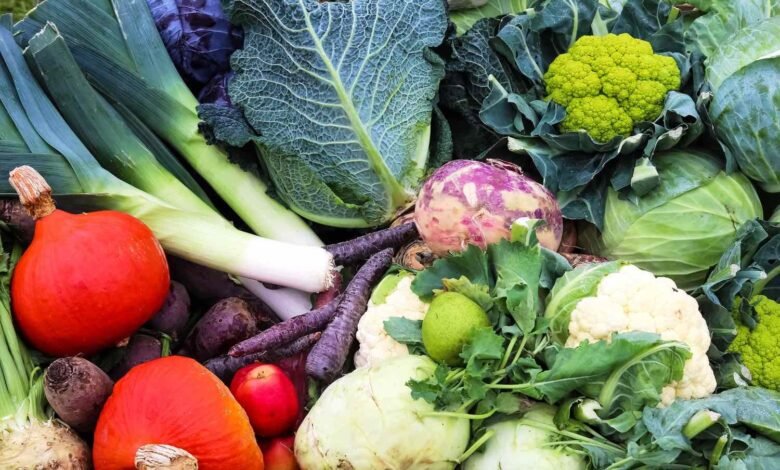
Take cauliflower, which shows just how quickly produce costs can move when supply gets disrupted. Prices fluctuated by roughly 230%, the largest shift of any ingredient tracked, according to MarginEdge data. Those spikes were largely driven by California freezes and heavy rains, which hampered harvests and created supply gaps that kept costs high long after the skies cleared.
Geography made those spikes nearly impossible to avoid. With up to 90% of cauliflower grown in California, disruptions in the primary production rippled quickly across the country, leaving restaurants with few realistic alternatives when supply tightens.
Similar volatility hit the salad greens market. Iceberg lettuce saw restaurant prices move by roughly 130% throughout the year, according to MarginEdge data. Unexpected cold snaps slowed early growth, followed by rain that delayed harvesting in other regions, per USDA Crop Progress reports.
Not every price jump followed the same pattern, however. Blueberry prices climbed roughly 100% in 2025 as weather disrupted early and peak harvests, based on USDA fruit reports. Because winter supply relies heavily on imported fruit, higher costs tied to shipping delays and tariffs kept prices elevated even as sourcing shifted, according to the USDA’s Economic Research Service Fruit Outlook.
For asparagus, the problem wasn’t just weather — it was import dependence. USDA data shows that over half the asparagus Americans eat is imported from Mexico and Peru. When shipments drop, or costs rise, American farms cannot scale up quickly enough to fill the gap, leaving restaurants with fewer options and higher bills.
The volatility we are seeing now actually took root before 2025 began. Concentrated growing regions and short harvest windows — compounded by the lingering effects of extreme weather in 2024 — left several staple vegetables exposed to disruptions that many menus weren’t built to absorb.
By August, the broader increase was no longer easy to write off as a few outliers. Fresh vegetable prices marked the fourth straight month of increases, according to the USDA’s Food Price Outlook, reflecting how earlier weather disruptions continued to influence costs well into 2025. That staying power confirmed that the pressure was not limited to just a handful of problem crops.
Eggs tell a different story because the shortage was not caused by the weather. Restaurant prices jumped roughly 200% earlier this year as avian flu wiped out supply, dragging out a crisis that started long before 2025, according to the USDA’s September Livestock, Dairy, and Poultry Outlook. Unlike produce, those costs were shaped by disease and recovery timelines rather than growing conditions.
This is where diners feel it most, even when the cause is not obvious. Independent restaurants are making pricing decisions in a year when guests are watching costs closely, even as the reasons behind those changes remain hard to see.
Bo Davis, CEO and co-founder of MarginEdge, puts the day-to-day challenge bluntly. For him, the issue is less about predicting disruptions than recognizing them quickly. “If you don’t have real-time insight into what’s changing — what’s suddenly 30% expensive, or where your prep habits are creating waste — you’re making decisions in the dark,” Davis says.
The harder part, going into 2026, is that these shifts do not always follow a clean seasonal rhythm. A normal week can turn quickly when weather, imports, or disease impact supply. Restaurants will keep adjusting in real time, and diners will keep noticing the results, even when the reason is not obvious from the menu.
The ingredients that saw the biggest price fluctuations in 2025
- Cauliflower: ~230% swing
- Eggs: ~200% swing
- Iceberg lettuce: ~130% swing
- Asparagus: ~110% swing
- Blueberries: ~100% swing
Disclaimer: This news article has been republished exactly as it appeared on its original source, without any modification.
We do not take any responsibility for its content, which remains solely the responsibility of the original publisher.
Author:Stephanie Gravalese
Published on:2025-12-19 14:01:00
Source: www.foodandwine.com
Disclaimer: This news article has been republished exactly as it appeared on its original source, without any modification.
We do not take any responsibility for its content, which remains solely the responsibility of the original publisher.
Author: uaetodaynews
Published on: 2025-12-20 21:27:00
Source: uaetodaynews.com