
Editorial Desk
The war in Sudan is widening as an increasing share of the fighting shifts to the use of long-range drones and airstrikes on populated areas and vital facilities, raising fears of greater civilian harm and making the conflict harder to contain.
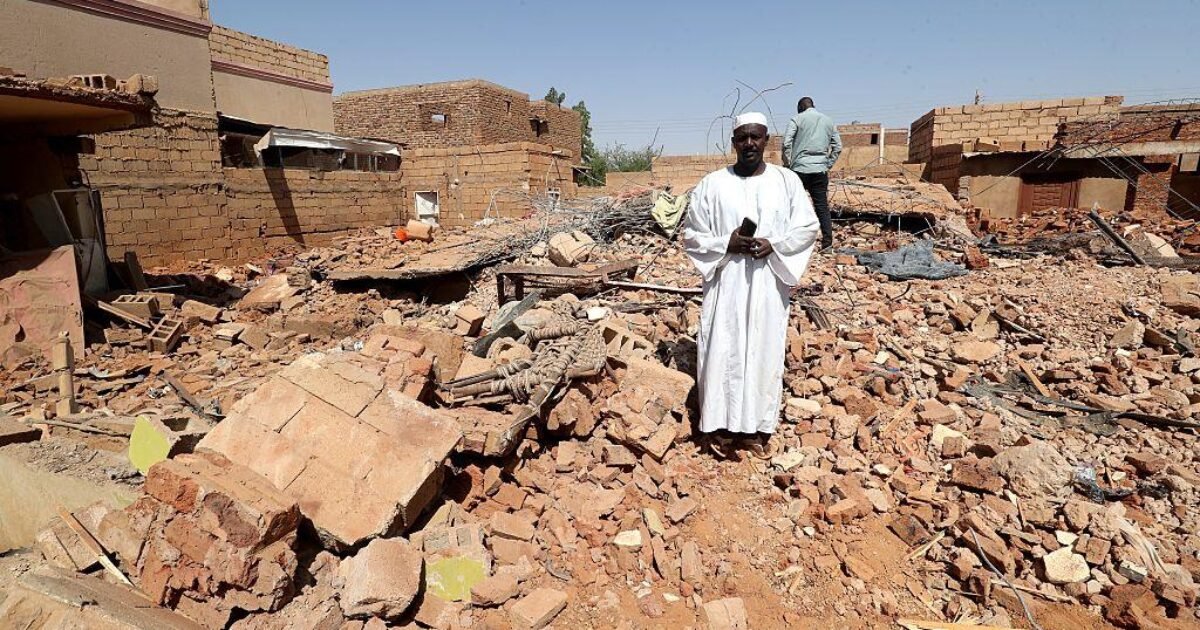
On the evening of Tuesday, November 24, 2026, the city of Damazin, the capital of Blue Nile State, was hit by a series of drone attacks targeting three residential neighborhoods. The attacks killed and injured civilians, according to the Emergency Lawyers organization and accounts reported by Reuters.
The organization said the attacks killed 19 civilians, including six women, and injured 15 others in Damazin, while five civilians were injured in the city of Roseires.
It said the victims in Damazin belonged to three families, underscoring the scale of the damage to residential areas.
In a separate statement, the United Nations condemned the attacks, citing local sources as saying that 17 civilians were killed in Damazin and confirming that several sites in the state had been bombed.
The differing death tolls reported by the sources reflect the uneven availability of information in the hours immediately after the events, particularly in areas that are difficult to access on the ground.
Roseires and the dam: The danger goes beyond casualties
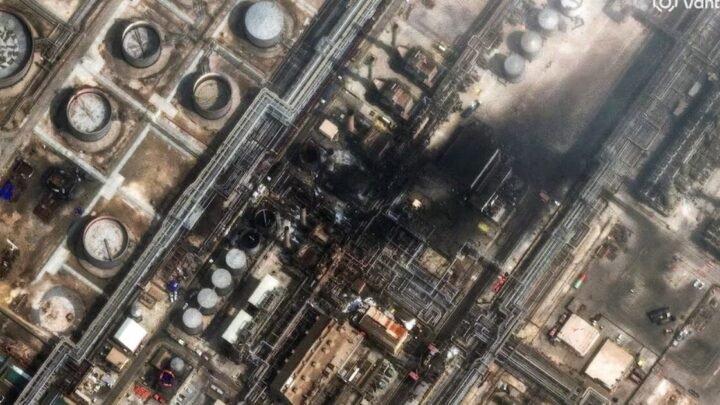
Reports were not limited to residential neighborhoods. The Emergency Lawyers organization said drone attacks had targeted facilities linked to the Roseires Dam and energy facilities in the area.
The organization warned that potential damage could affect electricity supplies across Blue Nile State, and that continued attacks on energy facilities could have an impact on wider sections of Sudan’s power grid.
These concerns are particularly significant given the Roseires Dam’s vital role in Sudan’s water, energy and irrigation systems.
The dam is not merely a power-generation facility; it is part of water and economic infrastructure connected to agriculture and water-resource management. Any extensive damage to its critical facilities would therefore have consequences beyond the immediate military engagement.
However, no independent technical data is currently available to confirm the extent of damage to the dam’s facilities or the degree to which its operational capacity has been affected.
Why is Blue Nile State militarily significant?
Blue Nile State lies in southeastern Sudan, bordering Ethiopia and South Sudan. Its border location and links to routes for movement and trade, as well as to water resources, give it geographic and strategic importance.
The region has also seen military movements and shifts in control lines in recent months, amid continued fighting between the Sudanese Armed Forces, the Rapid Support Forces and their allies.
Damazin and Roseires have received displaced people fleeing other parts of the state, including Bao and Geissan, according to information Reuters attributed to the Emergency Lawyers organization.
The targeting of civilian areas at this stage therefore compounds humanitarian risks: the areas under attack are not empty, but are home to displaced families and people already living under the strain of shortages of services and resources.
Drones are reshaping the nature of the war
Drones have become a key element in the war in Sudan, evolving from tools for reconnaissance and surveillance into weapons that can be used against military positions and facilities relatively far from the front lines.
These aircraft allow operations to be conducted without exposing pilots to direct danger. They also enable some parties to expand the reach of their air operations without needing large conventional aircraft fleets.
But the growing spread of these weapons raises challenges over target identification, accuracy and distinguishing between military and civilian facilities.
United Nations reports indicate that drone attacks have become a prominent feature of the conflict in Sudan, with their effects extending beyond military sites to markets, hospitals, schools, civilian vehicles, and fuel and water facilities.
UN figures reveal the scale of the disaster
In a report published by the United Nations Human Rights Office on November 17, 2026, the organization documented the deaths of at least 1,390 civilians between January and June 2026.
It said more than 80% of these deaths were linked to drone strikes.
The report added that a further 840 civilians were killed over the following four months, including around 520 in drone attacks.
The number of civilian deaths documented by the United Nations between January and the end of October thus exceeded 2,230, including more than 1,630 people killed in drone-related strikes.
The office said the actual toll could be higher than the figures it was able to verify.
The report also documented at least 39 attacks on markets, 20 attacks on civilian vehicles, 17 on fuel tankers and depots, and 16 on health facilities during the first half of the year.
These figures s how that the damage is no longer limited to casualties: it is now affecting daily life and communities’ ability to obtain food, water, medical care and energy.
Responsibility and international law
Attacks on residential areas and civilian facilities raise serious legal questions under the rules of international humanitarian law.
Those rules require parties to a conflict to distinguish between civilians and combatants, and between civilian objects and military objectives. They also prohibit indiscriminate attacks and require precautions to minimize harm to the population.
The United Nations Human Rights Office has warned that some of the violations documented during the war may amount to war crimes, amid continued impunity.
In the latest incident, the Emergency Lawyers organization attributed the attacks to the Rapid Support Forces. That attribution still requires further independent investigation, particularly since the forces concerned did not immediately respond to requests for comment reported by Reuters.
What lies ahead for Sudan?
The latest attacks have left Blue Nile State facing simultaneous military, humanitarian and economic challenges.
If infrastructure continues to be targeted, difficulties in providing electricity, water and health services could worsen at a time when displacement is increasing and local institutions are under significant operational strain.
The spread of fighting into new border areas could also complicate mediation efforts and make it more difficult to ensure that humanitarian aid can reach those in need.
The coming period requires an end to attacks on populated areas, guarantees of access for emergency response teams and aid, and independent investigations into attacks on civilians and vital facilities.
Conclusion
The events in Damazin and Roseires s how that the war in Sudan is entering a phase in which the use of drones poses growing dangers to civilians and infrastructure.
While this technology has given parties to the conflict greater ability to carry out attacks from long distances, it has also widened the sphere of danger to include residential neighborhoods and facilities on which millions of people depend.
The most important question is no longer only about military lines of control, but about Sudan’s ability to protect what remains of its civilian and service infrastructure and prevent the war from triggering a wider collapse of the conditions necessary for life.
Sources:
- Reuters, November 25, 2026.
- United Nations, Human Rights Office, November 17, 2026.
- Anadolu Agency, November 25, 2026.
- Sudan Tribune, November 25, 2026.