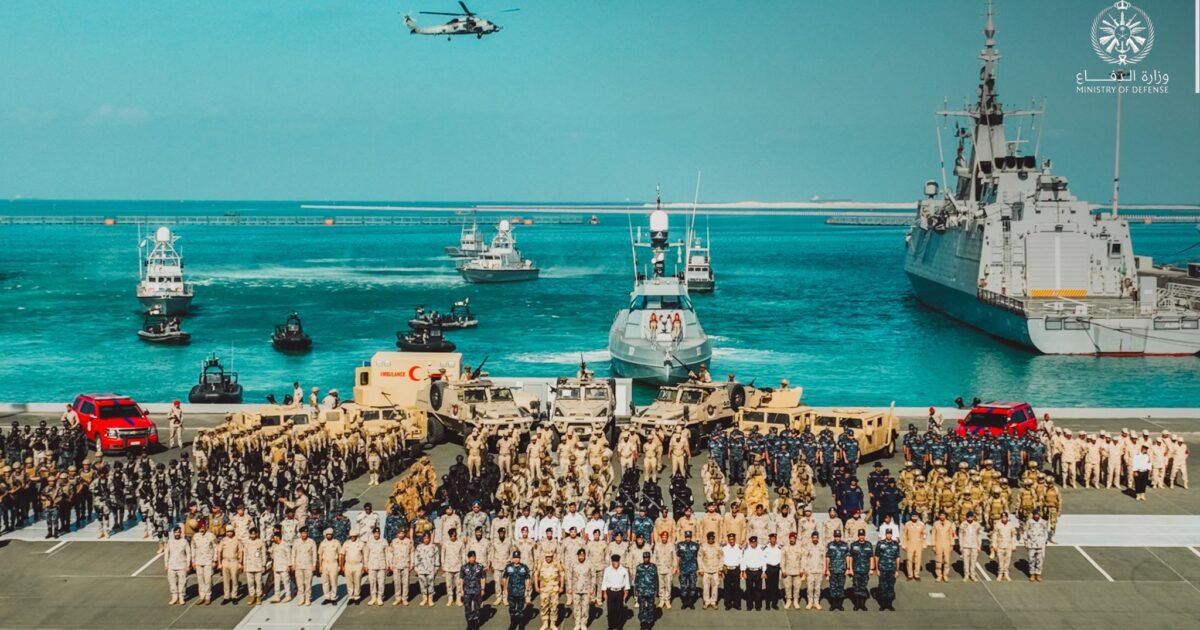

Twenty-two countries are moving to strengthen maritime security cooperation by establishing a joint coast guard force aimed at combating piracy and smuggling and protecting commercial ships and international navigation in the Red Sea, the Gulf of Aden and the western Indian Ocean.
This development comes amid rising risks to maritime trade and growing concerns about the return of piracy and attacks on ships, alongside regional tensions and threats to strategic shipping routes.
According to a report published by The National on 23 November, the proposed force includes 22 countries, among them Saudi Arabia, Djibouti and Yemen, as part of cooperation linked to the Djibouti Code of Conduct and the Jeddah Amendment.
What is the nature of the new maritime force?
The initiative is based on enhancing coordination among the coast guard forces of the participating countries, rather than relying exclusively on international military patrols.
The proposed tasks include:
- Combating piracy and armed robbery at sea.
- Confronting arms smuggling and illicit cargo trafficking.
- Exchanging intelligence and maritime alerts.
- Protecting commercial vessels and seafarers.
- Coordinating responses to maritime incidents.
- Developing mechanisms for cooperation among coastal states.
Information-sharing centers in Seychelles and Madagascar are to be used to enhance monitoring of maritime movements and threats.
When will operations begin?
Approval of the initiative does not mean the force has begun conducting patrols in practice.
The involved countries must first complete the legal framework and command and coordination mechanisms, including defining the coast guard’s powers when entering the territorial waters of another state, and specifying the competent judicial authority when suspects are detained in piracy cases.
According to statements carried by The National citing the maritime security official at the International Maritime Organization, the countries agreed to work to finalize the legal framework for cooperation by September 2027.
Contributions from countries will be determined later, whether through funding, training, or providing equipment and operational capabilities.
Why is the Red Sea gaining this importance?
The Red Sea and the Gulf of Aden form a vital corridor linking the Indian Ocean to the Suez Canal and the Mediterranean, and navigation disturbances there directly affect global trade flows and the costs of transport, insurance and shipping.
The initiative is especially significant for Arab countries bordering the Red Sea, notably Saudi Arabia, Yemen and Djibouti, given the link between their maritime security and trade, energy, ports and supply chains.
This step comes alongside existing international naval missions, including the European Aspides mission, underscoring the importance of coordinating the new arrangements with current maritime operations.
Does the force represent a shift in the region’s security?
The initiative reflects a trend toward giving coastal states a greater role in managing maritime security by building a long-term regional cooperation mechanism.
But its success will depend on clarity of authorities, availability of funding, operational capabilities, and the participating states’ ability to overcome legal and political disputes.
Amid threats of piracy, smuggling and attacks on vessels, the main challenge remains turning agreements and understandings into an actual maritime presence capable of protecting international navigation.