
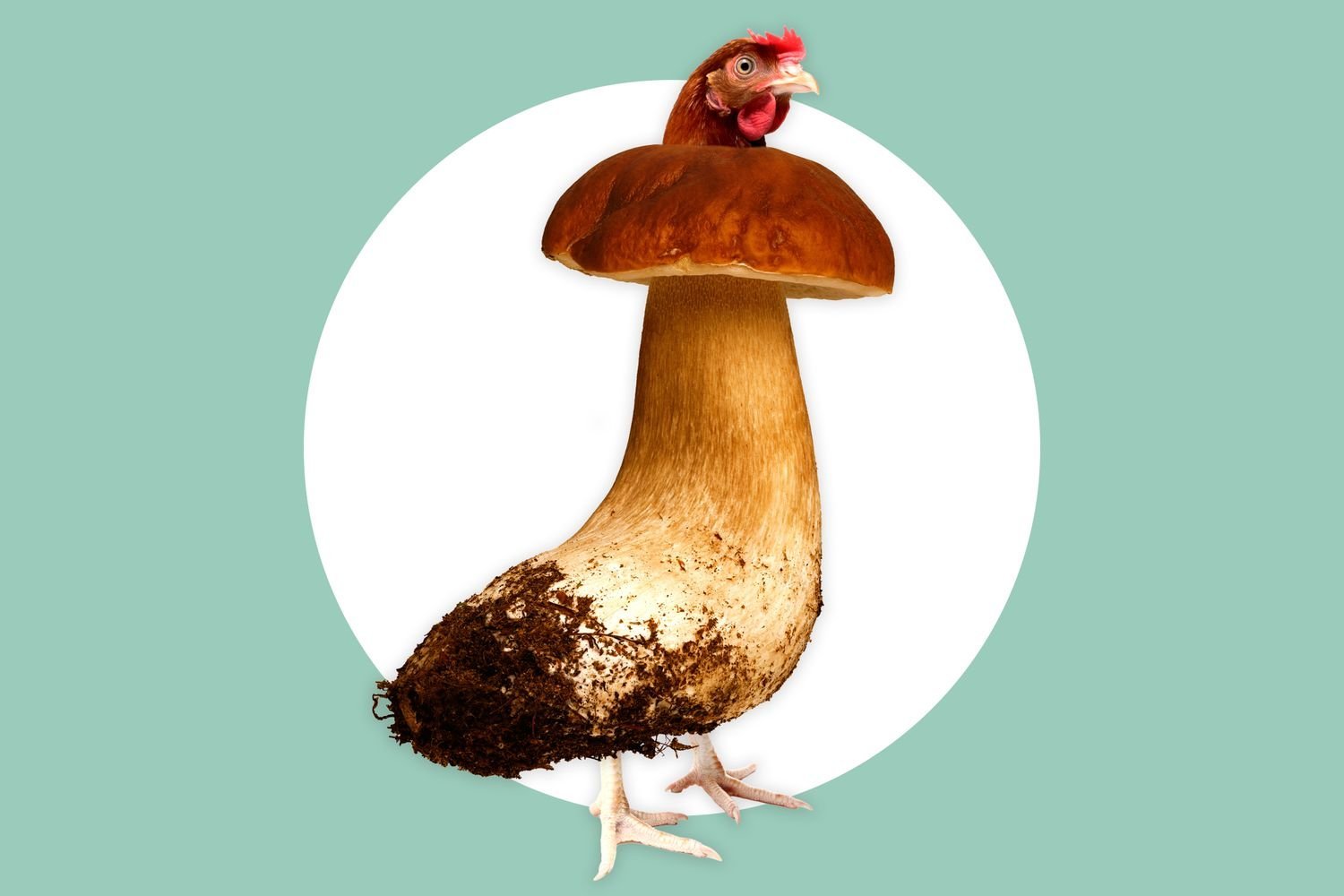
- Researchers used CRISPR to create a new strain of Fusarium venenatum that produces protein efficiently while reducing its environmental footprint by up to 61%, offering a sustainable alternative to conventional meat.
- By thinning the fungus’s cell walls, the modified strain becomes easier to digest and achieves a “meatlike flavor,” while also using 44% less sugar.
- Compared with chicken production, cultivating this new mycoprotein uses 70% less land and cuts freshwater pollution by 78%, boosting its potential as a lower-impact protein source.
Fungus is everywhere. It accounts for roughly 2% of the earth’s biomasswhich might seem small until you realize that humans represent only a tiny fraction of it — just one ten-thousandth. So, yes, there’s plenty of fungus out there, including many edible — and downright delicious — varieties. Now, scientists are working to make some of that fungus appealing and nutritionally dense.
In November, researchers from Jiangnan University in Wuxi, China, published their study findings in the journalTrends in Biotechnologyoutlining how they used the gene-editing tool CRISPR to improve how a fungus produces protein and, in the process, reduce the environmental footprint of that production by up to 61%. And potentially the best news for vegetarians or anyone trying to cut back on meat, the researchers say that their modified fungus also has a “meatlike flavor” and is “easier for people to digest than the natural strain it originated from.”
“There is a popular demand for better and sustainable protein for food,” Xiao Liu, a corresponding author of the study, shared. “We successfully made a fungus not only nutritious but also environmentally friendly by tweaking its genes.”
According to the researchers, they started with the fungus Fusarium venenatum, which is already used as a plant-based protein in products like Quorn. And while it works fine in veggie patties, sausages, and other meat substitutes, the researchers explained that producing it is currently “resource intensive” and that its thick cell walls limit how well humans can digest it.
To improve these outcomes, the team used CRISPR to remove two of the fungus’s genes, thinning its cell walls and making its proteins easier for people to digest. They discovered that, by doing so, they could create a new strain, FCPD, that uses 44% less sugar to produce the same amount of protein as the original strain. This new strain can also produce all this protein 88% faster and reduce greenhouse gas emissions by 60% compared to the original strain.
“A lot of people thought growing mycoprotein was sustainable, but no one had really considered how to reduce the environmental impact of the entire production process, especially when compared to other alternative protein products,” Xiaohui Wu, the study’s first author, explained.
Compared to conventional meat, the team noted that producing this fungus uses 70% less land than chicken and slashes freshwater pollution by 78%, making this new fungus a tasty triple threat.
Disclaimer: This news article has been republished exactly as it appeared on its original source, without any modification.
We do not take any responsibility for its content, which remains solely the responsibility of the original publisher.
Disclaimer: This news article has been republished exactly as it appeared on its original source, without any modification.
We do not take any responsibility for its content, which remains solely the responsibility of the original publisher.
Author: uaetodaynews
Published on: 2025-12-27 03:07:00
Source: uaetodaynews.com